November 13, 2026
Missed a Job Interview? What to Say and Do Next
If you missed a job interview and still want the role, contact the employer as soon as you realize what happened. Apologize directly, give a short and truthful explanation if useful, say that you remain interested, and ask whether rescheduling is possible. If you no longer want to continue, send a brief withdrawal instead. Neither message can guarantee another interview; the goal is to be clear and take responsibility, not to pressure the employer.
The next step depends on whether you are running late, the interview time has already passed, or the employer did not join. If the appointment is still underway and you can reach the contact, say you are late and give a realistic arrival or connection estimate. If the slot has passed, acknowledge that you missed it instead of writing as though it is still upcoming. If you were present and the interviewer did not appear, that is a different situation: do not apologize for missing an appointment you attended.
What to do first
- Check the confirmed details. Verify the role, interviewer's name, scheduled date and time, and time zone from the original invitation. Do not guess at a time or refer to the wrong opening.
- Use the employer's established contact route. If the interviewer or recruiter gave you a phone number for scheduling, call when timing makes a quick conversation useful. If you do not reach them, send a concise email to the contact who arranged the interview. If the invitation says to use a particular channel, follow that instruction.
- Acknowledge the missed appointment plainly. Start with “I’m sorry I missed our interview at [time].” Avoid a long preamble that makes the reader search for what happened.
- Choose whether to request another chance. Ask to reschedule only if you genuinely remain interested and are prepared to attend a new time. Otherwise, close the loop and withdraw.
- Make only commitments you can keep. If you say what you will do differently, keep it specific and true. Do not promise that a technical, travel, health, or scheduling problem can never happen again.
The University of Georgia Career Center advises its students who miss an interview to notify the employer, apologize, briefly explain the situation, and ask about rescheduling only if they want another opportunity. Its guidance is written for UGA students and on-campus recruiting, so treat it as a useful communication pattern—not a rule that every employer must follow. UGA Career Center: “What to Do If You Missed an Interview”. Indeed’s June 2026 guide likewise recommends contacting the employer promptly and being honest, while recognizing that the employer may or may not offer another interview. Indeed: “How To Apologize for Missing an Interview and Reschedule”.
A short email if you still want the job
Subject: Apology for missing the [Job Title] interview
Hi [Interviewer Name],
I’m sorry I missed our interview scheduled for [date and time]. [Brief, truthful explanation, if you want to include one.] I’m still very interested in the [Job Title] role. If you’re open to it, would it be possible to reschedule? I understand if the team is unable to offer another time.
Thank you,
[Your Name]
Keep the explanation to one sentence. If the reason is private, you can say “An unexpected personal issue prevented me from joining” without sharing details. If you simply lost track of the appointment, it is better to acknowledge that than to invent an emergency. The employer needs an accurate account; you do not need to provide sensitive personal information to make an apology sound sincere.
If you missed it because of a real emergency
I’m sorry I missed our interview at [time]. An unexpected [brief description] meant I could not join or contact you beforehand. I’m still interested in the role, if the team is open to rescheduling. I understand if that is not possible.
Share only the amount of detail you are comfortable disclosing. Do not include a diagnosis, family member’s information, or other sensitive details unless you choose to and they are relevant. If your situation raises a workplace accommodation or legal question, this message template is not advice on those issues; consult an appropriate qualified adviser or the employer’s stated process.
If a connection or travel problem caused the miss
I’m sorry I missed our [video/in-person] interview at [time]. I had a [brief, accurate description of the issue] and should have contacted you sooner. I’m still interested in the [Job Title] role. Would you be willing to consider another time?
Use the final question only if you want to interview. Do not claim the platform, recruiter, or transit provider caused the miss unless you know that is true. If you have a specific prevention step you will actually take—such as testing the meeting link earlier—mention it briefly rather than promising perfect future performance.
If you realized you were late while the interview was still happening
I’m sorry—I’m running late for our [time] interview because of [brief, true reason]. I expect to be available at [realistic time]. Would you still be able to meet, or should I follow up about another option?
Do not offer an arrival estimate you cannot meet. Indeed suggests contacting the employer quickly when you are running late; whether the interviewer can wait or offer another time is up to them. If the scheduled slot has already ended, use the missed-interview wording instead. Indeed’s missed-interview guide.
If you no longer want to continue
You can apologize for missing the time and still withdraw. Do not ask for a new interview just to soften the message if you have decided against the role.
Hi [Name],
I’m sorry I missed our interview for [Job Title] at [time]. After reconsidering, I’m withdrawing from the process and won’t be requesting another time. Thank you for arranging the conversation, and I apologize for the inconvenience.
Best,
[Your Name]
You do not have to explain a change in your plans unless you want to. Keep the distinction clear: “I’m withdrawing” means you are ending your candidacy; “Could we reschedule?” means you want another opportunity. Avoid sending both in the same note.
If you missed the time because the details were unclear
First check the original invitation and any later messages. If the time or time zone genuinely appeared differently, describe the discrepancy without accusing the recruiter:
I’m sorry I missed the interview. I had [specific time] in my notes, but the invitation lists [confirmed time]. I should have checked with you when I was unsure. If the team is open to another time, I’d still welcome the opportunity; I understand if the process has moved on.
Use this only if those are the actual details. Before you send, verify the timestamp against the invitation rather than relying on a notification or memory. Do not frame the message as a scheduling error by the employer if you cannot establish what happened.
If you did attend the scheduled time but no one joined, send a different note: “I joined the interview at [time] using [link/location] and wanted to check whether the time or meeting details changed.” That reports what you did and asks for clarification; it is not an apology for a no-show.
What not to include
- A fabricated excuse. A short honest message is safer than a detailed story you cannot support.
- A demand for a second chance. Ask once and leave the decision with the employer.
- A long explanation or repeated apologies. One direct apology plus the essential context is easier to understand.
- An empty promise. “This will never happen again” is broader than you can guarantee. If appropriate, describe a concrete step you will take.
- Availability you have not checked. If the employer asks for times, verify your schedule before proposing them.
- An assumption about the outcome. Do not write “Thanks for rescheduling” until the employer has actually confirmed a new appointment.
After you send the message
If the employer offers another slot, reply with a clear confirmation and carefully verify the date, time, time zone, format, interviewer, and location or meeting link. Add the appointment to whatever reminder system you normally use. If no further interview is offered, thank the contact once and accept the decision without sending repeated requests. If you receive no reply, avoid treating silence as proof of the employer’s reason; use the ordinary follow-up approach only if appropriate for the role and timeline.
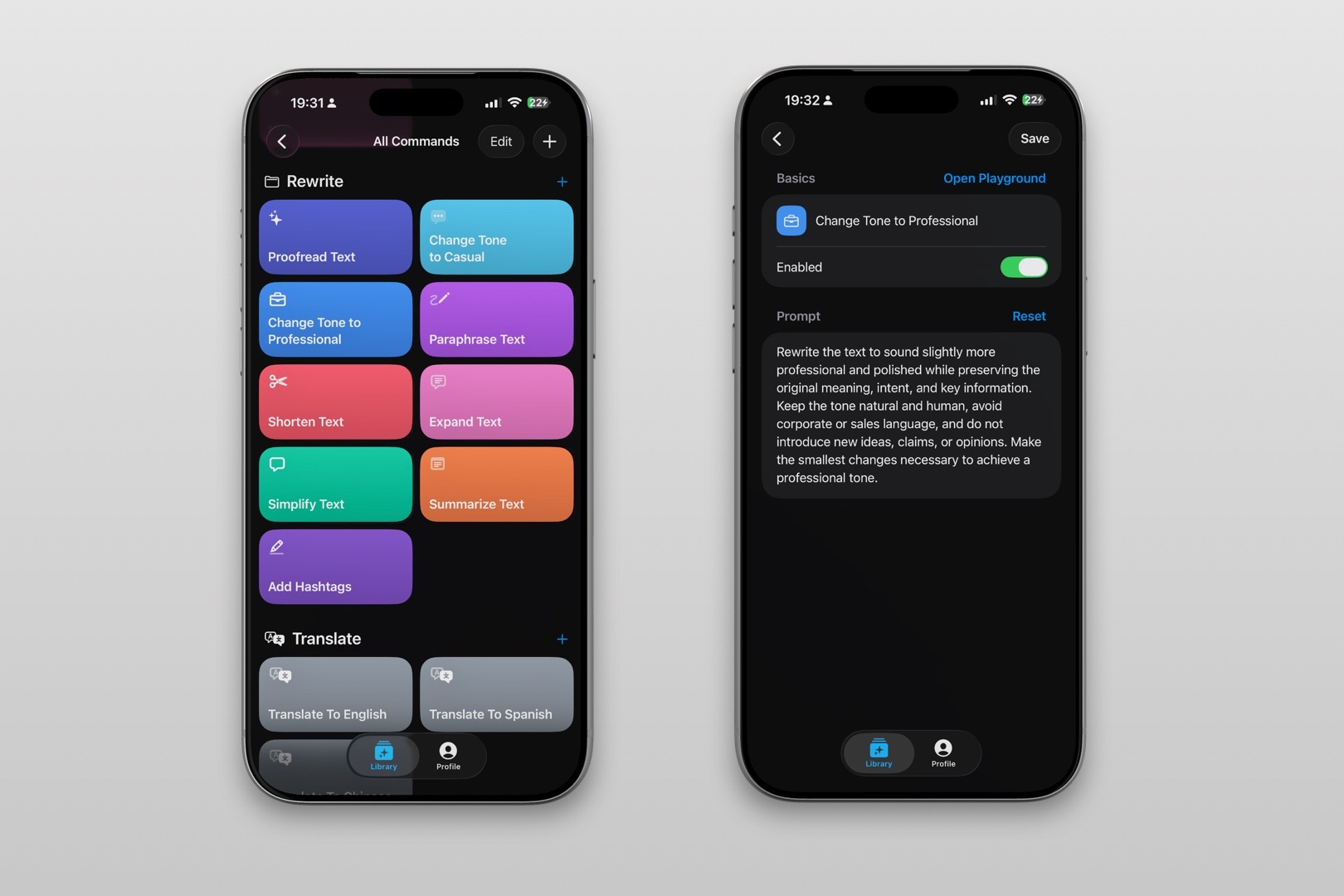
If you often write recruiting messages from your iPhone, RewriteMate’s Custom Command Recipes explains how to save your own writing instructions as keyboard shortcuts. For this situation, a command could turn notes you supply into a concise apology or withdrawal draft. It cannot know why you missed the interview, determine whether the employer will reconsider, verify your calendar, or contact the recruiter.
For example, you could adapt this instruction: “Turn my notes into a brief, accountable email about a missed interview. Do not invent an excuse, promise an outcome, or ask to reschedule unless my notes say I still want the role. Preserve the job title, contact name, date, and time exactly. Keep the decision with the employer.” Use sample details while refining a saved command, then replace them with verified information for a real message.
Before sending any AI-assisted draft, check the employer’s name, role, interview time, reason, interest level, and every commitment. A polished sentence is not evidence that its facts are correct. Delete any invented cause, unsupported promise, or accidental request for a second interview if it does not reflect your decision.
Frequently asked questions
Should I call or email after missing an interview?
Use the contact route the employer provided. If the interview is still in progress or you have just missed it, a call may let you explain quickly; if you cannot reach the person, send a concise email. Indeed discusses both phone and email and recommends choosing based on the contact method and situation. The employer’s instructions take priority.
How soon should I contact the employer?
As soon as you realize you missed the appointment. Promptly acknowledging it gives the employer accurate information while the interview is still recent, but it does not guarantee that another slot is available. If the miss happened earlier, a brief note is still clearer than pretending it did not happen.
Should I explain why I missed the interview?
Give a short, truthful explanation if it helps the employer understand what happened. You may keep private details private. If you forgot, say so plainly rather than creating an emergency or blaming a service without evidence.
Is it okay to ask to reschedule after a no-show?
Yes, if you still want the role, you can ask once whether rescheduling is possible. Phrase it as a request, acknowledge the inconvenience, and recognize that the employer may decline. Do not assume a new appointment exists until it is confirmed.
What if I missed the interview but no longer want the job?
Send a brief apology and clearly withdraw. Do not ask to reschedule or imply continued interest simply to make the message feel less uncomfortable.
What if I missed it by mistake because of the time zone?
Check the original invitation and confirm the time zone before explaining. State only the discrepancy you can verify, acknowledge that you should have checked, and ask whether the employer is open to another time if you remain interested.
What if the interviewer did not show up?
If you were present at the agreed time, do not apologize for missing the interview. Send a neutral check-in with the time you joined and ask whether the details changed. Keep this separate from an applicant no-show.
Related articles
Keep reading
How to Follow Up After a Job Interview When You Haven’t Heard Back
If the hiring timeline has passed and you have no update, send one brief, courteous message asking about next steps. Use these timing rules and adaptable email examples without treating silence as a definite rejection.

How to Apologize Professionally for a Mistake at Work
A professional apology names the mistake, owns its impact, and tells the other person what happens next. Use these practical structures and examples to respond clearly without overexplaining or making promises you cannot keep.

Felix Tran
RewriteMate Dev & Editorial Lead
Write about everyday workflows, systems that help ideas move faster, from first draft to finished work.