
October 28, 2026
How to Ask a Freelance Client for Honest Feedback Without Sounding Needy
Ask a freelance client for feedback after the work is complete, any immediate issue has been addressed, and the client has had a fair chance to review the result. Keep the note brief: thank them, ask for honest feedback on one useful aspect of the work, and make clear that a reply is optional. If you want a public review or testimonial, ask for that separately and never imply that praise or a particular rating is expected.
The goal is a respectful close to the project—not to extract a compliment. A useful request gives the client room to share what worked, what could improve, or nothing at all. On Upwork specifically, feedback is optional; Upwork recommends asking politely for honest feedback and cautions against pressuring clients or asking repeatedly. That guidance is platform-specific, so check the rules of the marketplace or contract you used before asking for a public review. Upwork’s client-feedback guidance explains its own process and expectations.
Choose the right moment
Send the request when the project has reached a natural stopping point: the agreed work is delivered, the client has had time to review it, and any immediate correction or question has been handled. If the client has raised a concern, respond to that concern first. Asking for feedback while a deliverable is still under dispute can make a reasonable request feel like pressure to be positive.
There is no universal waiting period that fits every project. A small design handoff, a month-long research engagement, and a recurring retainer have different rhythms. Use the next normal project-close message if the work is complete and there is no unresolved issue. If the client needs time to use the deliverable before evaluating it, ask when feedback would be useful or wait until the next agreed check-in.
Keep payment, acceptance, and feedback separate. Do not make a review sound like a condition for receiving final files, closing the contract, or getting support. If you are still waiting for payment, use a clear payment follow-up such as this overdue-invoice message guide instead of mixing the request with feedback. If the work itself needs more time, address the schedule first using a direct client-delay message.
Decide what kind of feedback you actually want
“Feedback” can mean different things. Before writing, choose the outcome that would help you:
- Private improvement feedback: one observation about your process, communication, or deliverable that you can use next time.
- A public review: a review or rating on the platform where the contract took place. Follow that platform’s current rules and leave the client free to be honest.
- A testimonial: permission to quote the client publicly. Ask for permission and agree on the exact wording and where it may appear before using it.
Do not bundle all three into one message. A client who is happy to offer one sentence of private feedback may not want to write a public review or authorize a testimonial. Ask for one specific thing at a time, and treat no response as a complete answer.
If your main aim is to improve, ask a concrete, open question: “Was there one part of the handoff that would have made the project easier for your team?” That is more actionable than “Any thoughts?” If your aim is a public review, say so plainly, without suggesting the rating you want. If you only need permission to quote a compliment they already sent, ask before publishing it.
Use a short, low-pressure message
For a general private feedback request, you can write:
Hi [name], thanks again for working with me on [project]. Now that [deliverable or milestone] is complete, would you be open to sharing one thing that worked well and one thing I could improve for a future project? No pressure if now isn’t a good time.
For a public review on a platform, keep the ask distinct:
Hi [name], thank you for the opportunity to work together on [project]. If you’re comfortable leaving an honest review through [platform’s normal process], I’d appreciate it. Please feel free to share your candid view; there’s no obligation.
For a testimonial, ask permission rather than assuming you can reuse a private message:
Hi [name], I appreciated your note about [specific result]. Would you be comfortable with me quoting that sentence as a testimonial on [specific page or portfolio]? I can send the exact wording and context first, and it’s completely fine if you’d rather keep it private.
These are examples, not guarantees of a response. Replace the bracketed details with accurate project facts, and remove any sentence that does not fit the actual relationship or agreement. A sincere, simple thank-you is usually enough; avoid overstating the outcome or implying that the client owes you a review.
Make the request specific without leading the answer
A useful private feedback question narrows the topic without steering the client toward praise. For example:
- “Was the weekly update cadence useful, or would a different rhythm have worked better?”
- “Was the final handoff clear enough for the next person to use?”
- “What would you change about the review process next time?”
Avoid questions that presume a positive answer, such as “You loved the final version, right?” Do not request a “five-star review,” ask the client to omit a legitimate concern, or offer a reward in exchange for favorable wording. Those choices undermine the purpose of honest feedback and may conflict with the platform’s rules. Upwork’s guidance specifically says not to pressure clients for good feedback or repeatedly badger them; do not treat that as a universal policy for every service, but do follow the rules where the project took place.
If the work had a difficult patch, do not hide it behind a generic request. You can acknowledge the part you own and invite a candid observation: “I appreciated your patience during the revised timeline. If you’re willing, I’d value one suggestion for how I could make that process smoother next time.” Keep responsibility accurate—do not admit to a fact you have not verified or make a promise about future work you cannot keep.
A reusable RewriteMate command
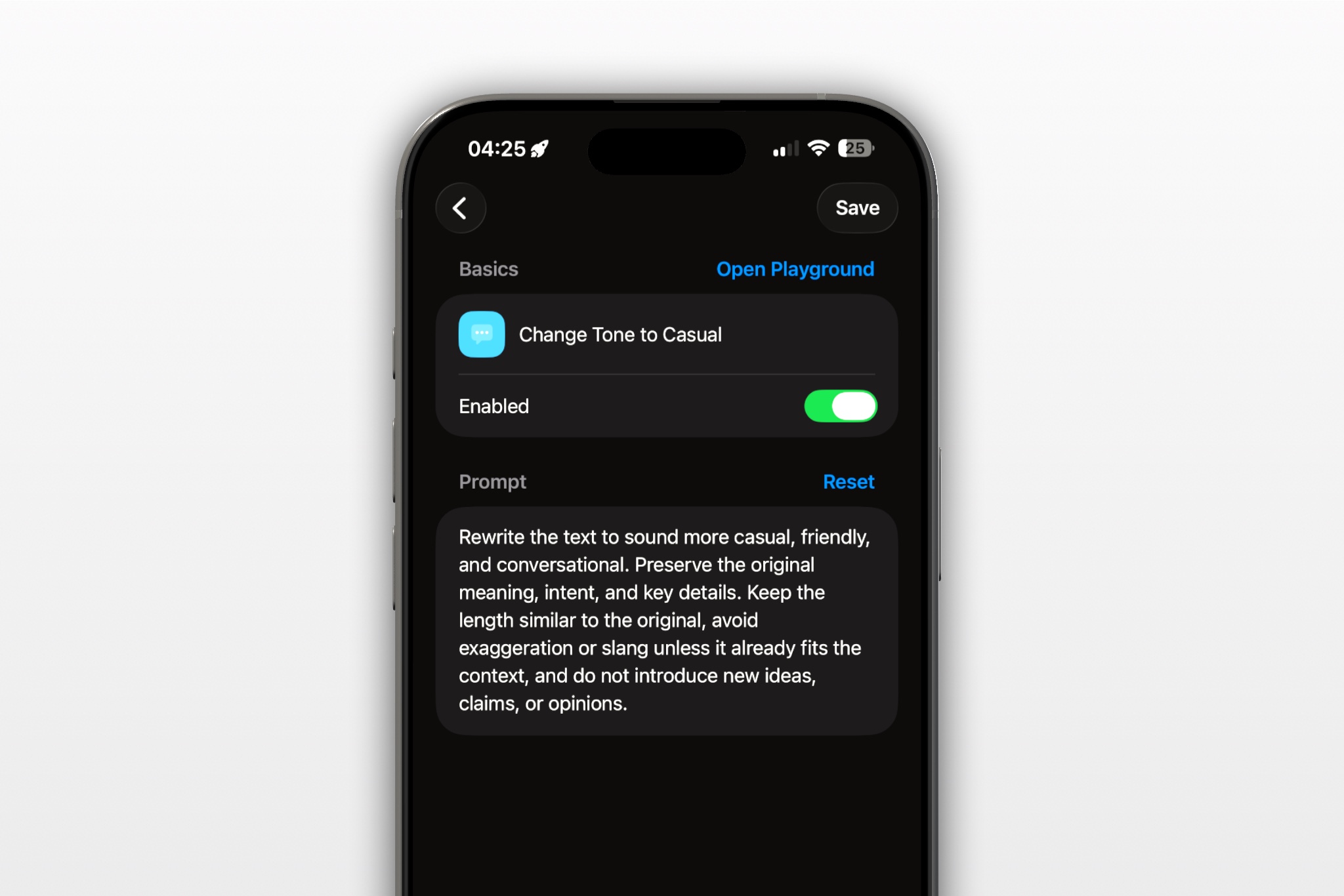
If you regularly write project-close messages, save a custom command named Low-Pressure Feedback Ask in a Client Communication folder. RewriteMate’s custom-command guide describes saved instructions as keyboard shortcuts. The command can shape text you provide; it does not know whether a project is complete, check platform policies, send a request, or obtain permission to publish a testimonial.
Use this instruction:
Rewrite my draft as a brief, appreciative message asking a freelance client for honest feedback after a completed project.
Ask for only the type of feedback I specify: private improvement feedback, a public platform review, or permission to use an exact testimonial. Make the request optional and non-pressuring. Never ask for praise, a particular rating, or a positive review. Do not add project results, dates, client opinions, promises, platform rules, or permission that I have not supplied. If my draft mixes payment, unresolved work, or a feedback request, ask me to separate those topics.
Client name: [name, if appropriate] Project: [brief accurate description] Status: [completed and reviewed / waiting for client review / other] Feedback type: [private feedback / public review / testimonial permission] One specific question or request: [what I want to ask] Platform or agreement constraint: [verified wording, or “not provided”] Tone: warm, professional, and concise
Return only the revised message. Preserve all supplied facts and leave out anything uncertain.
Use Insert or Copy if you want to keep your original draft intact while reviewing the rewrite. Use Replace only when you intentionally selected text to replace. Read the result before sending, especially the client’s name, project status, requested feedback type, platform wording, and any testimonial permission.
Example: private feedback, not a public review
Suppose the work is complete, the client has approved the handoff, and you want one suggestion about your process. A concise note could be:
Hi Jordan, thanks again for the research project. Now that the final handoff is complete, would you be open to sharing one thing I could make smoother next time? No pressure if you’re busy.
This example asks for one private improvement suggestion. It does not request a rating, assume the client’s satisfaction, or ask to publish their response. If the project is not actually complete or the client has raised an unresolved issue, change the timing and wording—or wait.
Know when not to ask again
One polite request is enough. If the client does not answer, do not send a sequence of reminders seeking a review. Continue any agreed support, close out the work professionally, and move on. If they reply with criticism, thank them for being candid and decide whether a specific correction or follow-up conversation is appropriate. Do not argue them into changing an honest opinion.
Before sending, check:
- Is the agreed work complete, and has the client had a reasonable chance to review it?
- Is there an open concern, payment question, or delivery issue that should be handled separately first?
- Am I asking for private feedback, a public review, or testimonial permission—not all at once?
- Did I leave the client free to decline or be candid?
- Are the project description and any claimed result accurate?
- If I plan to publish a quote, have I asked permission for the exact wording and placement?
- Have I already asked once?
For a different kind of decision request, see how to ask a client for approval without sounding demanding. Approval is a request to make or confirm a decision; feedback is an invitation to share an opinion. Keeping those purposes separate makes both messages clearer.
FAQs
How do I ask a freelance client for feedback after a project?
Wait until the work has reached a natural close and any immediate concern is addressed. Thank the client, ask one specific question, and make it easy for them to decline. If you want a public review rather than private improvement feedback, say that clearly and follow the platform’s current rules.
Is it okay to ask a client for honest feedback?
You can make a polite request, but the client should be free to give candid feedback or not respond. Platform requirements differ. For example, Upwork says its feedback is optional and advises freelancers to ask politely for honest feedback without pressure or repeated requests; that applies to Upwork, not automatically to other services.
Should I ask for a review or private feedback?
Choose the one you actually need. Private feedback can help you improve a process; a public review is visible to others and follows the platform’s rules; a testimonial requires permission before you reuse the client’s words. Do not combine them into a single implied obligation.
What if the client does not reply?
Treat silence as a no for the purpose of the request. Do not keep nudging for a review. Close out any remaining agreed work and leave the relationship on professional terms.
Can I ask for a five-star review?
This article recommends asking for an honest review, not a specific rating. Upwork explicitly advises against pressuring clients for good feedback. Check the applicable service’s current terms before making a platform-specific request.
Can RewriteMate send the feedback request for me?
No. RewriteMate can help rewrite text you supply, but it does not contact the client, determine whether the work is complete, check the platform’s rules, or grant permission to publish a testimonial. Review the final message and send it yourself through your agreed channel.
Related articles
Keep reading

How to Ask for Approval Without Sounding Demanding
Request a decision clearly in email, Slack, or text without vague follow-ups, unnecessary apologies, or pressure disguised as politeness.

How to Tell a Client You Need More Time Professionally
A clear way to request more time from a client without making excuses, overpromising a new date, or leaving the next step unclear.

Felix Tran
RewriteMate Dev & Editorial Lead
Write about everyday workflows, systems that help ideas move faster, from first draft to finished work.