
November 5, 2026
How to Ask a Recruiter for the Salary Range Before an Interview
If you have an interview invitation but no compensation information, you can ask the recruiter for the role’s budgeted salary range before scheduling or proceeding. Keep the question brief, explain that you are checking alignment, and invite the recruiter to share the range first. If they ask for your expectations instead, you can request their range once; if they cannot provide it, decide whether you are comfortable sharing a researched range or continuing without one.
There is no single rule that fits every search. A first conversation may be a useful way to learn about the work, while a short salary screen can save time when compensation is a firm constraint. The goal is not to force a number out of the recruiter or to negotiate an offer that does not yet exist. It is to find out whether it makes sense to invest in the next step.
When is it reasonable to ask?
Ask before the next interview when compensation alignment is important to your decision and the job post or recruiter has not provided enough information. This is especially practical before a multi-stage process, a long commute, travel, or substantial preparation. Those are decision examples, not guarantees that an employer will disclose a range.
University career guidance is not perfectly uniform. Washington University’s Center for Career Engagement says it is usually best to avoid discussing salary before an offer, but also describes a salary screening call where asking for the employer’s range first is a good response. Its sample phrasing explains that both sides want to avoid spending time if their salary expectations are far apart. WashU’s guidance is a useful illustration of why context matters: an early screening conversation about alignment is different from negotiating the terms of a specific offer.
Use that distinction to choose your moment:
- A quick recruiter screen is being arranged: Ask briefly by email or include it among the recruiter’s screening questions.
- You are already on a substantive first interview: If compensation has not come up, you can ask about the range near the end or ask the recruiter afterward. You do not need to interrupt a discussion of the role to demand a number.
- You have a firm minimum: It is usually more useful to find out whether the budget is potentially compatible before completing later rounds. Whether to share your own minimum is a separate decision.
- You are still curious and flexible: You may choose to interview first and learn more about responsibilities, level, and total compensation before discussing your expectations.
If you are outside the United States, or the role is governed by local pay-transparency or salary-history rules, do not assume that U.S.-focused career advice describes your rights. Check an official government or labor source for the relevant location, or seek qualified local advice. The script below is a communication option, not legal guidance.
The simplest way to ask for the range
Make one clear request, keep the tone collaborative, and connect it to deciding whether the role is a fit. For example:
Thanks for reaching out about the [role] position. I’m interested in learning more. Before we schedule the next step, could you share the budgeted compensation range for the role? I’d like to make sure we’re in a broadly compatible range before we both invest more time.
That wording does four useful things: it acknowledges the opportunity, expresses interest without overpromising, asks for the employer’s range rather than guessing, and frames the question as a mutual time check. It does not claim you will accept a particular figure or suggest that salary is the only factor you care about.
For a live call, shorten it:
I’m interested in the position. Could you share the compensation range budgeted for it so I can check that we’re in the same ballpark?
If you prefer not to say “ballpark,” use “broadly aligned” or “compatible range.” The best wording is the one you can say naturally. Avoid apologizing repeatedly or adding a long explanation about your personal expenses; those details are not needed to ask about the role’s range.
Short email version
Hi [Name],
Thanks for inviting me to discuss the [role] position. I’m interested in learning more. Before we set a time, would you be able to share the budgeted compensation range? I’d like to confirm that our expectations may be aligned.
Best,
[Your name]
Use this when there is a recruiter contact and a next step to schedule. If the invitation already includes a salary band, refer to the posted range and ask any remaining question about level, location, or the compensation components that matter to you.
What if the recruiter asks for your expectations first?
You can politely ask for the employer’s range before naming your own. If the recruiter still needs your expectations and you decide to answer, use a researched range you could genuinely consider—not an invented market figure or a number chosen just to keep the conversation moving.
First, ask once for their range
I’m still learning about the role and its scope. Could you share the range budgeted for the position? Then I can give you a more useful answer about how my expectations align.
This is a request, not a tactic that guarantees a response. The recruiter may share a range, explain that they do not have it, or ask you to give a figure. If they cannot answer, you can decide whether to continue without the information.
If you choose to share a range
Do a little preparation before giving a number. Check current salary information for comparable roles with a similar level, function, location, and employment arrangement. Consider whether the figure you have in mind means base pay only or includes variable compensation, equity, or other elements. The WashU career guide also recommends researching comparable salaries before negotiating, while its screening-call example allows a candidate to offer a broad range if the employer will not provide one. Read the full WashU guidance.
Then you might say:
Based on what I know so far about the responsibilities and level, I’m considering roles in the [your researched range] range for [base salary / total compensation—be specific]. I’d want to understand the full package and scope before settling on a number. Is that within the range budgeted for this role?
Replace the bracketed parts only after doing your own research. Do not copy a sample figure from another person or article: a number that is reasonable for one region, role, or package may not be appropriate for another. If you have not researched a range, it is fine to say that you would like to understand the role’s scope and compensation structure before naming one.
If you do not want to give a number yet
I’d like to understand the position’s responsibilities and level before setting an expectation. Could you share the range the company has budgeted?
You may repeat the request once, calmly. If the recruiter still will not share a range, move from wording to a decision: Is the role compelling enough to continue without that information? Is your minimum firm, or could scope and the rest of the package change your view? You do not have to make that decision in the moment.
If they say it is too early to discuss salary
Keep the exchange low-pressure. You can acknowledge the recruiter’s point and ask whether there is a later checkpoint:
Understood. I’m happy to learn more about the role first. At what stage do you typically share the budgeted range? I’d like to make sure we revisit alignment before the process gets too far along.
Or, if pay is a clear constraint:
I understand. Compensation is an important factor in my decision, so I may need to confirm the range before moving into later interview rounds. Is there someone who can share it, or a point in the process when it becomes available?
Neither version accuses the recruiter of withholding information. Both make your concern visible and ask for a practical next step. If the answer is still unclear, you can continue, pause, or withdraw based on your priorities. The recruiter’s response is information about the process, but by itself it does not prove anything about the employer’s culture or the eventual offer.
What to confirm when they give a number
A range is useful only if you understand what it describes. Ask a focused follow-up if the distinction affects your decision:
- Is this base salary or total compensation? Clarify whether bonuses, commission, equity, or other pay are included.
- What location and level does it apply to? A job title alone may not tell you whether the range fits the role’s seniority or work location.
- Is the range for this position or a general estimate? Confirm that the recruiter is describing the specific opening.
- What is the employment arrangement? If it is contract, part-time, or another nonstandard arrangement, ask how the figure is calculated and what else is included.
You do not need to turn the first screening call into a full negotiation. Ask only what you need to decide whether to continue. If the conversation reaches an offer, evaluate the complete written terms before accepting; the range discussed earlier is not a substitute for the final offer details.
Make the message sound like you
The examples above are starting points. Before sending, replace the placeholders and remove any sentence that does not sound natural in your voice. Keep the factual checks simple: correct role title and recruiter name, a real scheduling detail, a range you have actually researched, and a precise distinction between base pay and total compensation.
If you use RewriteMate to draft or reshape a short note, treat the result as an editable draft—not a source of salary data or career advice. RewriteMate can help transform text, but it cannot verify the employer’s pay band or decide your negotiating strategy. Check that it has not invented a number, changed your level of interest, promised flexibility you do not have, or made the tone more forceful than intended. Confirm every name, figure, and commitment yourself before sending.
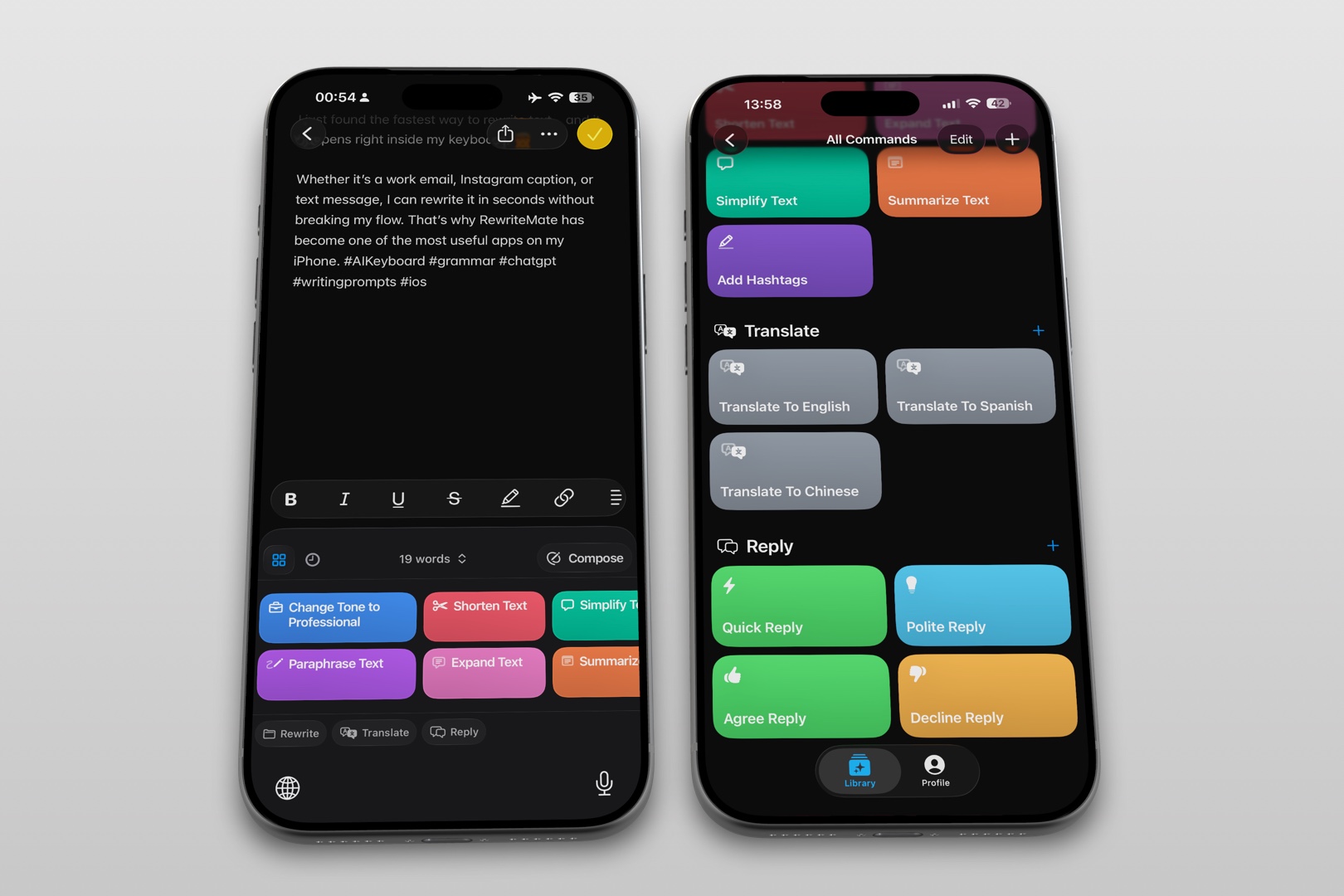
For a repeated writing task, RewriteMate’s official custom-command guide explains how its saved prompts work as keyboard shortcuts. That is optional drafting support: the script, salary research, and final decision remain yours.
Frequently asked questions
Is it rude to ask a recruiter for the salary range before an interview?
Not inherently. A brief, courteous question about whether the role’s budget is compatible can be reasonable, especially before investing in multiple rounds. The recruiter may or may not be able to share a range, and the right timing depends on your situation.
Should I ask before scheduling the first call?
If compensation is a firm constraint, asking before scheduling can help you decide whether to proceed. If you are flexible or want to understand the role first, you may prefer to have an initial conversation and ask before later rounds. Choose the timing based on what you need to know—not a supposed universal hiring rule.
What if the recruiter asks for my expected salary?
Ask once for the budgeted range. If they cannot provide it and you decide to answer, share a researched range with clear terms, such as base salary or total compensation. If you are not ready to name one, say that you need more information about scope and pay structure first.
Should I tell them my current salary?
You do not need to volunteer unrelated details just to ask about the new role’s range. Rules about salary-history questions vary by location; the WashU guide notes that asking about current or past salary is not allowed in some places. For your specific location, verify the current rule with an official government source or a qualified local adviser rather than relying on a general script.
What if they will not share a range?
Ask whether it will be available at a later stage. Then decide whether the role is worth pursuing without the information. If your minimum is firm, it may make sense to pause before later rounds; if you are open to learning more, you can continue while setting a checkpoint to revisit compensation.
Does asking about pay hurt my chances?
No source can promise how a particular recruiter or employer will react. Keep the question professional and focused on alignment. If you are concerned, ask it during a brief screening conversation rather than making it the only subject of a substantive interview.
When should I negotiate the actual salary?
An early range check is not the same as negotiating an offer. Once you receive an offer, evaluate the role, written compensation details, and package before deciding whether to negotiate. For the separate task of requesting time to review an offer, see how to ask for more time to consider a job offer.
Related articles
Keep reading

How to Ask for More Time to Consider a Job Offer
Need more time before answering a job offer? Use a clear, appreciative request, propose a specific decision date, and keep the wording from implying that you have already accepted.

How to Follow Up After a Job Interview When You Haven’t Heard Back
If the hiring timeline has passed and you have no update, send one brief, courteous message asking about next steps. Use these timing rules and adaptable email examples without treating silence as a definite rejection.

Felix Tran
RewriteMate Dev & Editorial Lead
Write about everyday workflows, systems that help ideas move faster, from first draft to finished work.