November 2, 2026
How to Tell Your Manager You Can’t Work a Scheduled Shift
If you are already scheduled for a shift you cannot work, tell your manager as soon as you know. First confirm the date and hours, then state the conflict plainly, share only as much explanation as you are comfortable sharing, and ask what your workplace’s call-out or shift-change process requires. If you have a real coworker willing to trade or cover, say that it is a proposal—not an approved change—until the manager or scheduling system confirms it.
The situation is different from turning down an extra shift on your day off. You are notifying someone about an existing schedule, so your message should make the shift easy to identify and make the next step explicit. Career guidance from Indeed likewise recommends checking the schedule, giving notice as early as possible, and treating a proposed cover as subject to supervisor approval. That is general workplace guidance, not a rule that overrides your employer’s process or local requirements. Indeed’s shift-communication guide has additional examples.
A clear message has four parts
Keep the first message short enough to read quickly, but specific enough that your manager does not have to ask which shift you mean.
- Identify the shift: day, date, and start/end time. “Friday” alone may be unclear if the schedule spans more than one week.
- State the issue directly: say you cannot work that shift or are asking to change it. Avoid language so indirect that the manager might read it as a preference rather than a conflict.
- Give a brief, truthful explanation: you can use a general phrase such as “a personal commitment” if details are private. Do not invent an illness, emergency, or promise to make up the time.
- Ask for the correct next step: request a conversation, a shift-change process, or confirmation of whether a proposed swap is acceptable.
For example:
Hi [Manager], I’m scheduled for [day, date], [start–end time], but I can’t work that shift because of [brief, truthful reason]. I’m letting you know as soon as I can. Should I submit a shift-change request, or is there another process I should follow?
This wording communicates the problem without assuming the manager has approved leave. If you are following a formal attendance procedure, use the designated channel as well; a text may not substitute for it.
Choose the version that matches your situation
You know in advance
Give the date and shift, ask about the established process, and avoid waiting for the next schedule reminder if you already know there is a conflict.
Hi [Manager], I’ve checked the schedule and I’m assigned to [day, date], [hours]. I have [brief reason] and won’t be available for that shift. Could you let me know the right way to request a change? I can [specific alternative] if that would help, but I understand it needs your confirmation.
Offer an alternative only if you can genuinely do it. For instance, “I could take the Thursday evening shift instead” is useful only if you are actually available Thursday evening and the workplace can approve that arrangement.
The conflict is urgent or same-day
Lead with the key fact and use the most direct contact method your workplace requires. If your handbook, scheduling app, or manager has a call-out procedure, follow it rather than relying only on an informal message.
Hi [Manager], I’m scheduled today, [date], from [start] to [end], but [brief truthful reason] means I can’t come in. I’m sorry for the short notice. Please let me know whether you need anything else from me under the call-out process.
If you cannot safely make a call or have already used the required channel, keep a record of when and how you notified the workplace. This is a practical recordkeeping suggestion, not a claim about what counts as legally sufficient notice.
You found a possible coworker swap
Do not present a conversation with a coworker as a completed schedule change. Say who is willing, identify the shift, and ask for confirmation.
Hi [Manager], [Coworker] said they may be able to take my [date/time] shift, and I’m willing to swap for [specific shift] if that works. Could you confirm whether this is approved and whether either of us needs to update the schedule?
If the coworker has not agreed, do not say they can cover. If they have agreed, do not assume the schedule has changed until the person responsible confirms it or the official schedule reflects it.
You need to keep the reason private
You usually do not need to put sensitive detail into a quick scheduling text just to make it understandable. State the practical fact and ask how to discuss anything the process requires privately.
Hi [Manager], I’m scheduled for [date/time], but I have a personal matter and can’t work that shift. I’d prefer to discuss the details privately if needed. What is the right next step?
If your workplace requires a specific form, documentation, or direct call, follow that process. This article is about clear wording, not employment-law advice; requirements can depend on your location, contract, and workplace policy. For a rights or leave question, check an official labor agency in your jurisdiction or speak with a qualified adviser.
What to avoid in the first message
- A vague opening: “Something came up” without a date or shift leaves the manager to identify the schedule entry.
- An unclear request: “Can I maybe not work Friday?” does not say whether you are notifying, requesting leave, or proposing a trade.
- A false explanation: do not make up an emergency or disclose someone else’s private information.
- An unconfirmed promise: “I got coverage” is inaccurate if the coworker has only been asked or the manager still needs to approve it.
- A long defense: a concise reason is usually enough to start the conversation. Add detail only if the process calls for it and you are comfortable sharing it.
- A message sent only through a channel your workplace does not use for call-outs: check the required process, especially for urgent or same-day issues.
If there is no reply and the shift is approaching, do not assume silence means approval. Follow up through the required channel and ask for explicit confirmation. If you do receive a response, repeat back any agreed date, time, or swap so both sides are working from the same understanding.
A small RewriteMate command for recurring schedule messages
If you often draft work messages from your phone, a saved RewriteMate custom command can help make a rough note clearer. It cannot change a rota, contact a coworker, approve time off, or decide what your employer’s policy requires. The schedule, availability, reason, and request must come from you.
For a RewriteMate custom command, you could use an instruction like:
Rewrite my draft as a concise, respectful message to my manager about a shift I cannot work. Preserve the shift date and hours, my exact reason, any proposed alternative, and whether it is confirmed or only requested. Do not invent an excuse, claim coverage or approval, promise make-up work, or add policy details. If a key fact is missing, leave a clear placeholder instead of guessing.
Use it only after adding the correct facts. Before sending, compare the result with your draft and confirm the date, shift hours, recipient, proposed swap, and any statement about approval. A polished message can still contain a wrong detail if the source text did.
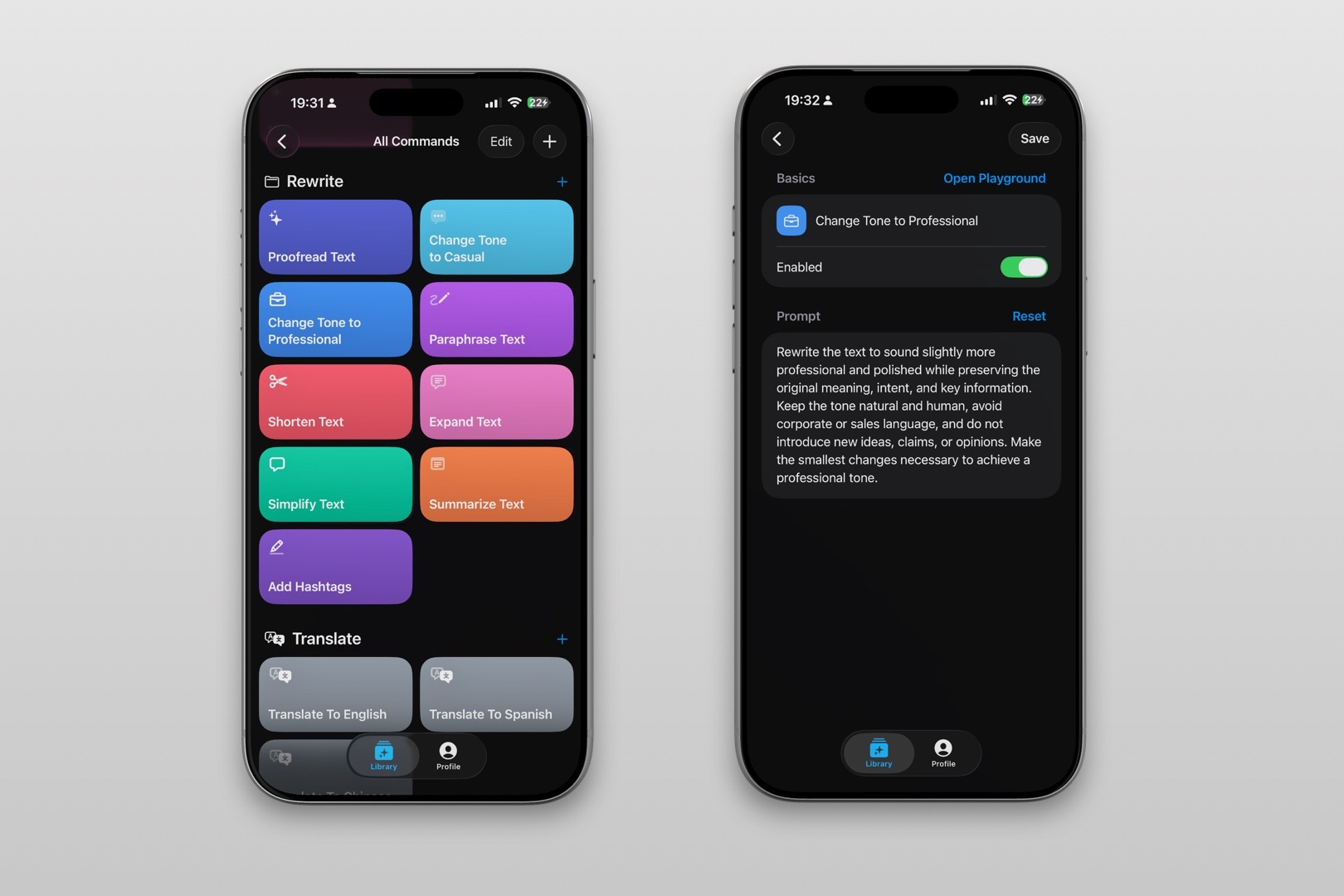
For more on creating a reusable custom command, use sample text without private medical or personal details when testing the wording. RewriteMate can help transform text; you remain responsible for checking names, dates, times, reasons, and commitments before sending.
Frequently asked questions
What should I text my manager if I can’t work a scheduled shift?
Identify the day, date, and hours; say clearly that you cannot work; give a short truthful reason if appropriate; and ask which call-out or shift-change procedure to follow. Follow any required channel in addition to sending a text.
Should I find someone to cover my shift before telling my manager?
Follow your workplace’s policy. If it is appropriate and you have a willing coworker, you can mention the offer as a proposal, but make clear it is not confirmed until the manager or scheduling process approves it.
Do I have to explain why I can’t work?
That depends on the applicable workplace process and circumstances. For a first message, a brief truthful explanation or a general privacy-preserving phrase may be enough to start a conversation, but do not assume that replaces any required notice or documentation. For legal or protected-leave questions, use an official local source or qualified adviser.
What if my manager doesn’t reply?
Do not treat no response as approval. If the shift is near, use the required call-out or escalation channel and ask for a direct confirmation. Keep your message factual and note when you made contact.
Is this the same as refusing an extra shift?
No. If you are already on the schedule, the manager needs to know you cannot work an assigned shift and what process applies. If you are being asked to take an additional shift you were not scheduled for, you are declining a new request; use a shorter boundary-setting reply instead.
Image SEO Plan and schema recommendation
Related articles
Keep reading

How to Say No to More Work Professionally Over Text
Set a clear workload boundary in a work text or Slack message without overexplaining, sounding defensive, or accepting an impossible deadline.

How to Ask Your Manager for a Deadline Extension Before It Slips
Tell your manager early, explain the specific blocker, and propose a date you can actually meet. Use these clear work-message examples and a fact-safe RewriteMate command to draft the request from your iPhone.

How to Ask for Approval Without Sounding Demanding
Request a decision clearly in email, Slack, or text without vague follow-ups, unnecessary apologies, or pressure disguised as politeness.

Felix Tran
RewriteMate Dev & Editorial Lead
Write about everyday workflows, systems that help ideas move faster, from first draft to finished work.