November 8, 2026
How to Follow Up on a Quote With No Response
If you sent a quote and have not heard back, send one concise follow-up that identifies the project, links to the current quote, and asks one useful question. Use a review date the customer gave you if there is one. If not, allow a reasonable time for them to review the offer, then check whether they have a question or a decision update. Do not treat silence as a rejection, a price objection, or permission to invent a deadline.
The most useful message is factual and low-pressure: “Did you receive the quote, and is there anything I can clarify?” If the quote has a real expiry date or you agreed on a decision date, refer to that exact detail. Otherwise, avoid a made-up countdown or a rigid day-by-day follow-up sequence.
First check what stage the conversation is at
Before writing, confirm that this is still a proposed job—not an accepted quote with an invoice already due. A quote follow-up asks whether the customer has questions, wants to proceed, or needs more time. An invoice reminder asks about payment after an invoice has been issued. Mixing those stages can make a simple check-in sound like a demand for money.
Also check the last message and the document itself. The customer may have asked you to reconnect on a particular date, raised a question you have not answered, or received a revised quote that replaces the earlier one. Reply to the latest real context instead of sending a generic “just checking in.”
If the customer asked you not to follow up, respect that. If they gave you a date, wait until it has passed unless a genuine quote term or scheduling change needs an earlier clarification. If the quote states an expiry date, use the date as written; do not create urgency by implying that an offer expires when it does not.
Choose timing from the facts, not a universal formula
Use this order of preference:
- A date the customer agreed to: follow up after that date if you have not heard back.
- A real expiry or availability issue: mention it only if it is accurate and relevant to the work. If your capacity changed, say what changed without implying the customer reserved a slot unless they did.
- No date and no genuine deadline: give the person time to read the offer, then send one courteous check-in. The right interval depends on the project, the conversation, and what you promised.
Business Queensland’s small-business guidance gives one concrete example: it suggests contacting a potential customer 7–14 days after submitting a quote and asking whether they have questions or have decided. That is a useful example from a Queensland government guide, not a universal rule for every industry, location, project, or customer. (Business Queensland: Preparing a business quote)
Avoid copying a fixed “day 1, day 3, day 7” sequence just because a template recommends it. A short repair quote, a multi-stage creative proposal, and a project awaiting an internal budget meeting may call for different timing. If the customer already told you when they expect to decide, their stated timeline is more relevant than a generic template.
What a clear quote follow-up includes
Keep the message to a few parts:
- A recognizable reference: the project name, quote number, or date sent.
- The current document: include the latest link or attachment, if useful, rather than making the recipient search for it.
- A helpful offer: ask whether a specific scope or timing detail needs clarification.
- One answerable question: for example, whether they have a question or would prefer to reconnect later.
- A simple sign-off: no pressure language, repeated apologies, or demand for an immediate decision.
You do not need to argue for the quote again in every follow-up. The purpose is to make it easy for the customer to say “I have a question,” “we need another week,” “we are proceeding,” or “we have chosen another option.” Those answers give you a real next step; silence by itself does not tell you which is true.
Copyable examples for common situations
These examples use fictional details. Replace each bracket with information you have checked, and remove any sentence that is not true for your situation.
First check-in when no decision date was agreed
Hi [Name], I’m checking that the [project] quote I sent on [date] reached you. Is there anything in the scope or timing you’d like me to clarify before you decide? Here’s the current quote: [link].
This works as a first check-in because it confirms receipt and offers a concrete kind of help without assuming the person has ignored you. If you are sending a short text rather than email, keep the same information but shorten the greeting:
Hi [Name]—did the [project] quote I sent on [date] come through? Happy to clarify anything about the scope or timing. [link]
The customer’s expected review date has passed
Hi [Name], when we spoke, you expected to review the [project] quote by [date]. Has your timing changed, or would it be more helpful if I checked back on a different day? Here’s the quote for reference: [link].
Only use this if the customer really gave you that date. It offers a way to update the plan rather than framing a missed estimate as a broken promise.
A genuine expiry date is approaching
Hi [Name], a quick note that the [project] quote says it is valid through [date]. If you’re still considering it, let me know if you’d like me to clarify anything before then. If your plans have changed, that’s helpful to know too.
Check the current document and your actual terms before sending this. Do not add “prices go up,” “the slot will disappear,” or similar pressure unless that statement is accurate, authorized, and appropriate for the agreement. Terms and the legal effect of a quote can vary by place and by document; for example, Business Queensland’s guide explains the distinction in its Queensland context, which should not be generalized as legal advice elsewhere. (Business Queensland’s quote guidance) If the terms are unclear or consequential, consult the applicable agreement or a qualified local professional.
A short freelance-service example
Imagine a freelance designer sent a quote for a small website refresh and the customer has not replied. A useful note could be:
Hi Jordan, I’m checking that the website-refresh quote from Tuesday came through. Would it help if I clarified what is included in the two-page scope? Here’s the current version: [link].
The message names the work and offers clarification about an actual part of the quote. It does not assume the customer is unhappy with the price or offer an unapproved discount.
A service-business example after a promised date
If a home-service customer said they would confirm after checking their calendar, use that context rather than a generic nudge:
Hi Sam, you mentioned you’d check the proposed dates for the [service] work and get back to me by Friday. Has a different week become easier, or would you like me to leave the quote as-is for now?
Only say “Friday” or refer to dates if that was actually discussed. If your availability changed, replace the question with a factual update and offer only times you can honor.
If they reply, change the next message to fit
The first follow-up is not a sequence to send regardless of what happens. Let the reply determine what you do:
- They ask about scope: answer the specific question using the current quote. If the work needs to change, confirm the revised scope before sending a revised price or timeline.
- They need more time: ask whether they want you to reconnect on a particular date, if that would help. Do not keep checking in on dates they did not agree to.
- They say yes: confirm the next step in your normal process. Do not treat a vague positive reply as acceptance of terms that still need confirmation.
- They say no or chose another provider: thank them for letting you know. If feedback would genuinely help and the relationship allows it, ask once without making them justify the choice.
- They do not respond: after one check-in, decide whether a later closing note is useful. There is no need to send a long chain of increasingly urgent messages.
If you do send a closing note, keep it easy to reopen and accurate about your own next action:
Hi [Name], I haven’t heard back, so I’ll pause my follow-up for now. If the [project] becomes active later, feel free to reply and I can check the current scope and availability.
Do not say you are “closing the file,” releasing a reserved slot, or withdrawing a price unless that is genuinely what you are doing and the quote supports it.
A quick review before sending from your phone
On a small screen, it is easy to send an old quote link or leave a placeholder in the message. Before tapping send, check:
- the recipient and project name;
- whether you linked the latest quote or estimate;
- any amount, scope, date, expiry, or availability statement;
- whether the question is easy to answer;
- whether the tone is calm without disguising a real deadline;
- whether the message promises anything you can actually deliver.
Read the final message once as if you were the customer receiving it. Remove filler such as “sorry to bother you” if it makes the note longer without adding meaning. Do not remove a necessary qualification or change a price, date, or commitment merely to make the message sound smoother.
Where RewriteMate can help
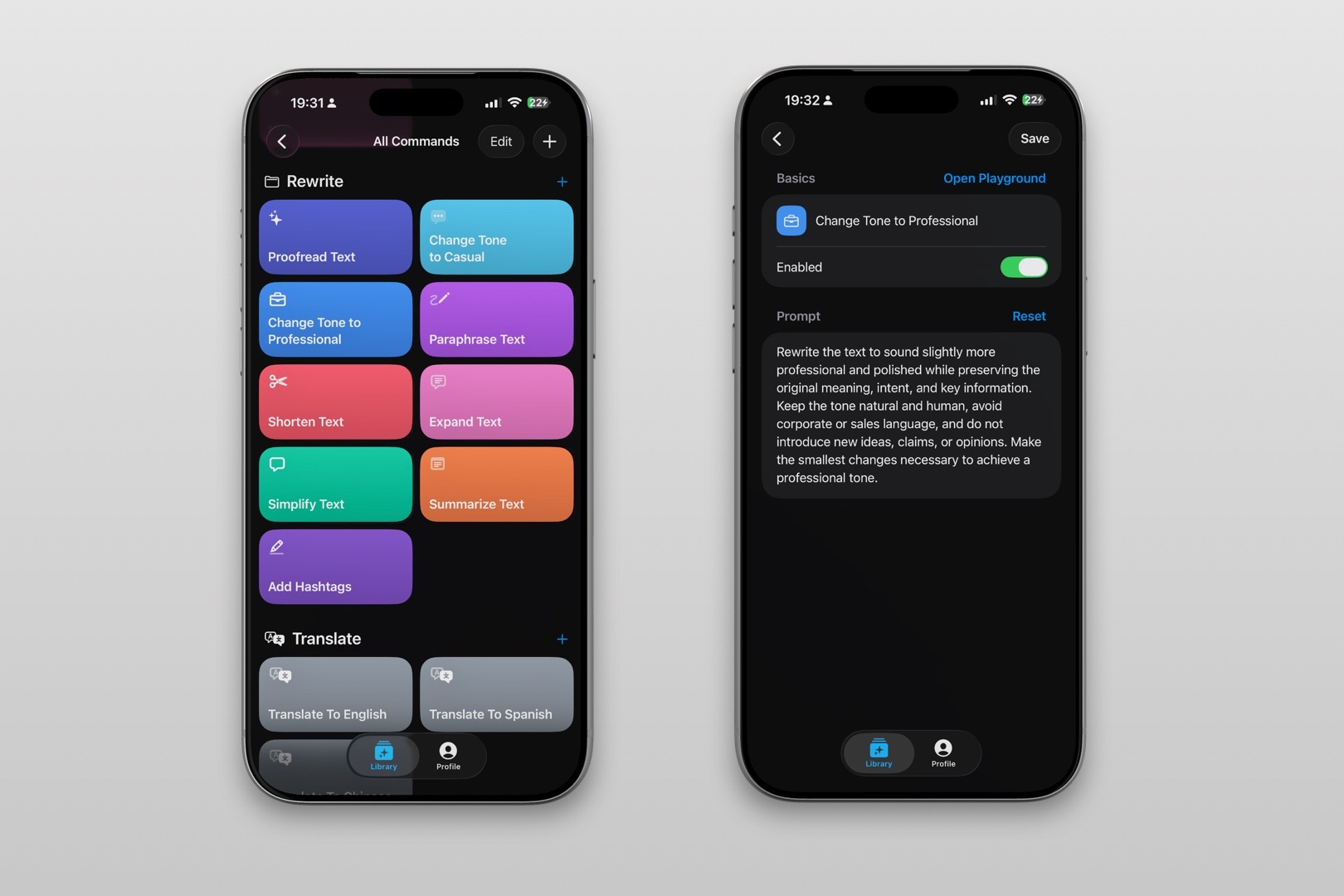
If you write this kind of message often, RewriteMate’s custom commands let you save a writing instruction as a keyboard shortcut. The official guide describes creating a named command with your own prompt and using it from the keyboard; it does not track quotes, send follow-ups, or determine sales or contract terms. (RewriteMate Custom Command Recipes)
For example, you could adapt this user-created instruction:
Rewrite this as one concise, warm, low-pressure follow-up about the quote described below. Preserve every supplied name, project detail, amount, date, expiry, and availability statement exactly. Do not invent urgency, discounts, benefits, deadlines, or reasons for the silence. Ask one clear question. If a needed fact is missing, leave a bracketed placeholder rather than guessing.
Use it only with details you are comfortable placing in a writing tool. Review the result against the actual quote before sending; verify names, amounts, scope, dates, links, and commitments yourself. RewriteMate can help draft or transform wording, but it cannot tell you whether a quote is current, whether a customer has made a decision, or whether a term is legally enforceable.
If you want a reusable prompt, save the instruction in your own words and test it with fictional sample details first. For a different kind of follow-up, see how to ask for an update without sounding passive-aggressive. If the quote has already been accepted and an invoice is now overdue, use the separate client invoice reminder guide instead.
Frequently asked questions
How soon should I follow up after sending a quote?
Use the review date the customer gave you, if there is one. Otherwise, give them time to consider the offer and choose an interval that fits the project and conversation. Business Queensland gives 7–14 days as an example in its small-business guide, but that is not a universal rule.
What should I say if a client has not responded to my quote?
Name the project and quote, include the current link if useful, and ask whether a scope or timing detail needs clarification. Keep the message short and avoid assuming why they have not replied.
Should I send a second or third follow-up?
There is no required sequence for every quote. Consider the agreed timeline, the value of another contact, the quote’s actual terms, and any reply or request to pause. One thoughtful check-in may be enough; do not continue if the customer asked you to stop.
Is following up on a quote the same as reminding someone about an invoice?
No. A quote follow-up asks about a proposed job or unanswered question. An invoice reminder concerns payment for an invoice already issued. If the work was accepted and payment is due, use wording for that stage rather than asking whether the customer wants the quote.
Should I offer a discount when I follow up?
Do not assume silence means the price is the problem. Ask whether anything needs clarification. Only discuss a discount or scope change if you are authorized to offer it and can state the revised terms accurately.
Can I use the same message for an estimate or proposal?
Use the name of the document the recipient actually received, and check its current details before referring to its scope, price, or validity. The legal meaning of quotes, estimates, and proposals can depend on the document and jurisdiction, so do not rely on a generic message template for legal interpretation.
Related articles
Keep reading
How to Remind a Client About an Overdue Invoice Without Sounding Rude
Use a calm, specific reminder to follow up on an overdue client invoice without apologizing for asking to be paid. Get adaptable email and short-message templates, plus checks to avoid inaccurate fees, dates, or promises.
How to Ask for an Update Without Sounding Passive-Aggressive
Ask for the work update you need without blame, vague nudges, or fake urgency. Use these concise message examples for teammates, managers, and clients, plus a reusable iPhone drafting command.

Felix Tran
RewriteMate Dev & Editorial Lead
Write about everyday workflows, systems that help ideas move faster, from first draft to finished work.